Nelson Rolihlahla Mandela | Pet | Fren.ly
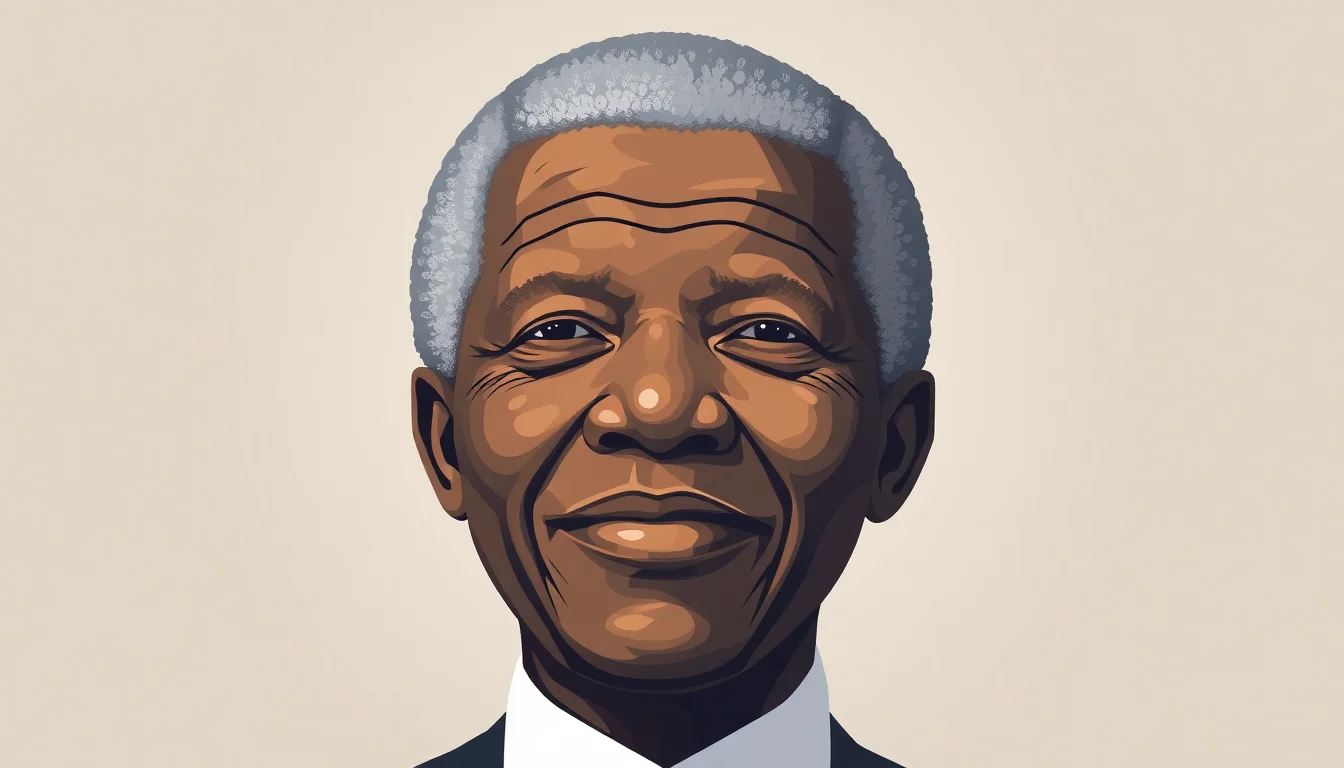
Nelson Mandela, affectionately known as Madiba, was a South African anti-apartheid revolutionary, political leader, and philanthropist who served as President…
Contents
Overview
Nelson Mandela, affectionately known as Madiba, was a South African anti-apartheid revolutionary, political leader, and philanthropist who served as President of South Africa from 1994 to 1999. His life's work was dedicated to dismantling apartheid, a brutal system of institutionalized racial segregation and discrimination. Mandela's journey, marked by 27 years of imprisonment, became a powerful symbol of resistance and hope for millions worldwide. Upon his release in 1990, he played a pivotal role in negotiating an end to apartheid and establishing a multiracial democracy in South Africa.
His legacy is one of profound reconciliation and forgiveness, a testament to his belief in the inherent dignity of all people. Recent news highlights the enduring relevance of his message of forgiveness in a divided world, with experts discussing how his ideals continue to shape global human rights advocacy. His impact on education in South Africa and his role in the transition to democracy are also subjects of ongoing reflection. Mandela's childhood home in Qunu has even been transformed into a museum, offering deeper insights into his formative experiences and the roots of his extraordinary leadership.
The Architect of a Rainbow Nation
The Architect of a Rainbow Nation
Nelson Mandela's life was a masterclass in resilience and unwavering dedication to justice. From his early days as a lawyer challenging discriminatory laws to his leadership of the African National Congress (ANC) and his eventual presidency, Mandela consistently fought for a South Africa free from apartheid. His 27 years of incarceration, from 1964 to 1990, did not break his spirit but rather forged him into a global symbol of resistance against oppression. Upon his release, he masterfully navigated the complex negotiations that led to the dismantling of apartheid and the establishment of a democratic government, famously ushering in the era of the 'Rainbow Nation'. His presidency focused on nation-building, reconciliation, and addressing the deep-seated inequalities left by decades of racial segregation. The establishment of the Truth and Reconciliation Commission, chaired by Archbishop Desmond Tutu, stands as a powerful example of his commitment to healing rather than retribution.
An Enduring Legacy of Hope and Forgiveness
An Enduring Legacy of Hope and Forgiveness
The impact of Nelson Mandela extends far beyond the borders of South Africa. His philosophy of reconciliation, even towards his former oppressors, has served as a profound lesson for conflict resolution worldwide. As recent news from July 2024 indicates, his message of forgiveness remains a powerful guiding principle in an often-divided world, and experts continue to discuss how his struggle has shaped global human rights advocacy. His commitment to education, aiming to uplift future generations, is also a significant part of his legacy, with analyses highlighting advancements in South Africa's education system attributed to his vision. The ongoing preservation of his story, such as the recent opening of his childhood home as a museum in Qunu, ensures that his ideals of peace, equality, and human dignity will continue to inspire and guide.
Key Facts
- Origin
- frenly-ai
- Category
- general
- Type
- person
- Format
- frenly