Restaurants | Pet | Fren.ly
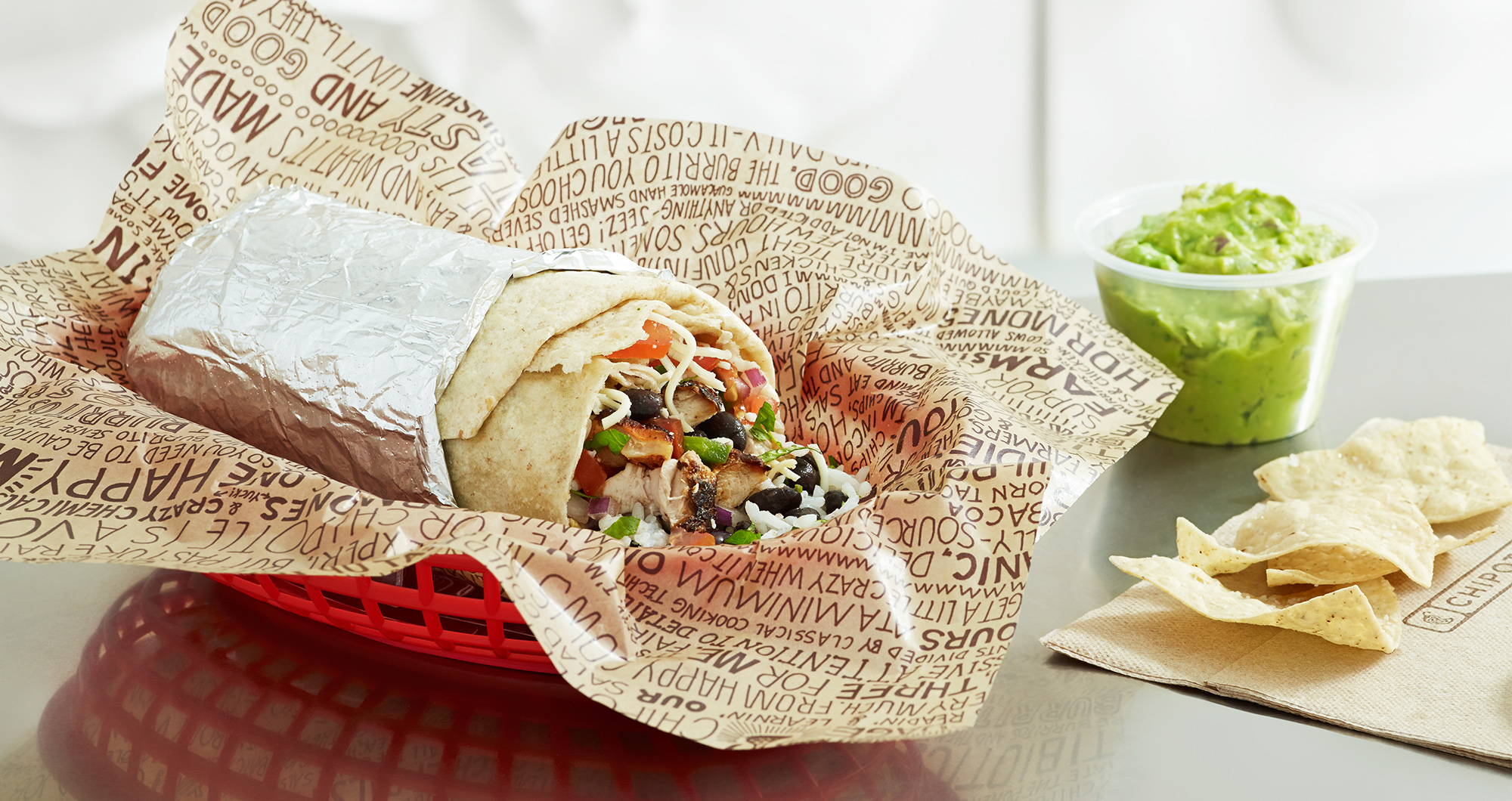
Restaurants are establishments where the public can purchase and consume prepared meals and refreshments, ranging from quick-service fast food chains to haute…
Contents
Overview
A restaurant is a public establishment where customers can purchase prepared food and beverages for consumption, either on-site or for takeout. The concept emerged as a distinct institution during the 18th century in France, evolving from earlier taverns and inns into dedicated dining venues. Restaurants fundamentally differ from other food service operations by their focus on providing a complete dining experience, whether that involves table service, ambiance, or specialized cuisine. The term itself derives from the French word 'restaurer,' meaning to restore or refresh, reflecting the original purpose of these establishments. Today, restaurants operate across a spectrum of formality, price points, and culinary philosophies, making them central to urban and suburban life worldwide. The industry connects to broader concepts like Conscious Consumerism and Digital Entrepreneurship, as modern restaurants increasingly engage with sustainability practices and online ordering platforms.
⚙️ Types & Service Models
Restaurants are classified into distinct categories based on service style, menu offerings, and atmosphere. Quick-Service Restaurants (QSRs), commonly known as fast food establishments like McDonald's, Subway, and Taco Bell, prioritize speed and convenience with counter service, limited menus, and standardized preparation methods. Fast-casual restaurants such as Chipotle, Panera Bread, and Sweetgreen occupy a middle ground, offering higher-quality ingredients and counter service in a more relaxed setting than traditional fast food. Casual dining restaurants including Olive Garden, Chili's, and Applebee's provide full table service, diverse menus, and family-friendly atmospheres at moderate prices. Fine dining establishments like The French Laundry, Per Se, and Le Bernardin represent the luxury end of the spectrum, featuring elegant interiors, exceptional service, and gourmet menus with artfully prepared dishes. Specialty restaurants focus on specific cuisines or themes—such as steakhouses, sushi bars, and BBQ restaurants—emphasizing authenticity and creative innovation. Family-style dining creates communal experiences through shared platters and bowls, fostering interaction similar to home meals. This taxonomy reflects how restaurants serve different occasions, from quick weekday lunches to special celebrations.
🌍 Cultural & Economic Impact
Restaurants function as crucial economic engines and cultural institutions within their communities. The restaurant industry generates billions in revenue globally and employs millions of workers across cooking, service, management, and administrative roles. Beyond economics, restaurants serve as social gathering spaces where people celebrate milestones, conduct business, and build community connections—functions that gained particular significance during periods of social isolation. Different restaurant types appeal to distinct demographics: fast food attracts budget-conscious consumers and those on the move, casual dining appeals to families and groups, while fine dining caters to special occasions and affluent diners. Restaurants also serve as cultural ambassadors, introducing communities to cuisines from around the world and preserving culinary traditions. The rise of food delivery platforms and ghost kitchens has transformed how restaurants operate and reach customers, democratizing access to diverse cuisines. Restaurants intersect with broader cultural movements including Globalization, as international cuisines become mainstream, and Financial Education for Youth, as restaurant work provides entry-level employment and entrepreneurial opportunities.
🔮 Evolution & Future Trends
The restaurant industry continues evolving in response to technological innovation, changing consumer preferences, and economic pressures. Ghost kitchens—commercial cooking facilities without dining rooms that operate exclusively through delivery platforms—represent a significant business model shift, reducing overhead while expanding market reach. Automation technologies are increasingly integrated into restaurant operations, from ordering kiosks to kitchen equipment, improving efficiency and consistency. The industry faces growing emphasis on sustainability, with restaurants adopting practices like local sourcing, waste reduction, and energy-efficient operations aligned with Environmental Governance principles. Menu innovation accelerates through chef-driven concepts and fusion cuisines that blend traditional techniques with contemporary ingredients. The COVID-19 pandemic accelerated digital transformation, making online ordering, contactless payment, and delivery services standard expectations rather than novelties. Future trends suggest continued integration of Artificial Intelligence for personalization, supply chain optimization, and customer service enhancement. The restaurant industry's evolution reflects broader societal shifts toward convenience, sustainability, and experiential dining, ensuring restaurants remain vital cultural and economic institutions for generations to come.
Key Facts
- Year
- 1765-present
- Origin
- France (18th century); now global
- Category
- places
- Type
- concept
Frequently Asked Questions
What is the difference between fast food and fast casual restaurants?
Fast food restaurants like McDonald's emphasize speed with counter service, limited menus, and precooked ingredients, typically serving meals in minutes at the lowest price point. Fast casual restaurants like Chipotle offer higher-quality ingredients, counter service with customization options, and a more relaxed atmosphere, positioning themselves between fast food and casual dining with moderate pricing.
What defines a fine dining restaurant?
Fine dining establishments feature luxury atmospheres with elegant decor, full table service with strict etiquette rules, gourmet menus with artfully prepared dishes using premium ingredients, and exceptional personalized service from highly trained staff. Examples include The French Laundry and Per Se, with prices typically in the $$$-$$$$ range.
How do casual dining restaurants differ from fine dining?
Casual dining restaurants offer full table service in relaxed, low-key atmospheres with diverse menus at moderate prices, appealing to families and groups. Fine dining provides upscale experiences with formal service, sophisticated ambiance, exclusive menu items, and significantly higher prices, catering to special occasions and discerning diners.
What are ghost kitchens and how do they work?
Ghost kitchens are commercial cooking facilities without dining rooms that operate exclusively through food delivery platforms and online ordering. They reduce overhead costs by eliminating front-of-house expenses while allowing restaurants to reach customers through delivery services, representing a modern business model shift in the industry.
How is the restaurant industry evolving with technology?
The restaurant industry is integrating automation through ordering kiosks, kitchen equipment, and delivery platforms. Online ordering and contactless payment have become standard, while ghost kitchens and AI-driven personalization are reshaping business models. These changes improve efficiency, expand market reach, and enhance customer convenience in response to changing consumer expectations.
References
- overeasyoffice.com — /blog/comprehensive-guide-to-types-of-restaurants-understanding-the-culinary-lan
- webstaurantstore.com — /article/353/types-of-restaurants.html
- delightree.com — /post/10-different-types-of-restaurants-a-complete-guide
- getsling.com — /blog/types-of-restaurants/
- score.org — /greaterphoenix/resource/blog-post/restaurant-categories-and-concepts-what%E2%80
- kitchenall.com — /blog/restaurants-types.html
- en.wikipedia.org — /wiki/Types_of_restaurant
- britannica.com — /topic/restaurant